
S E R A F I N I B I Z Z I
Thonet House
Bicocca Milano - 120 mq
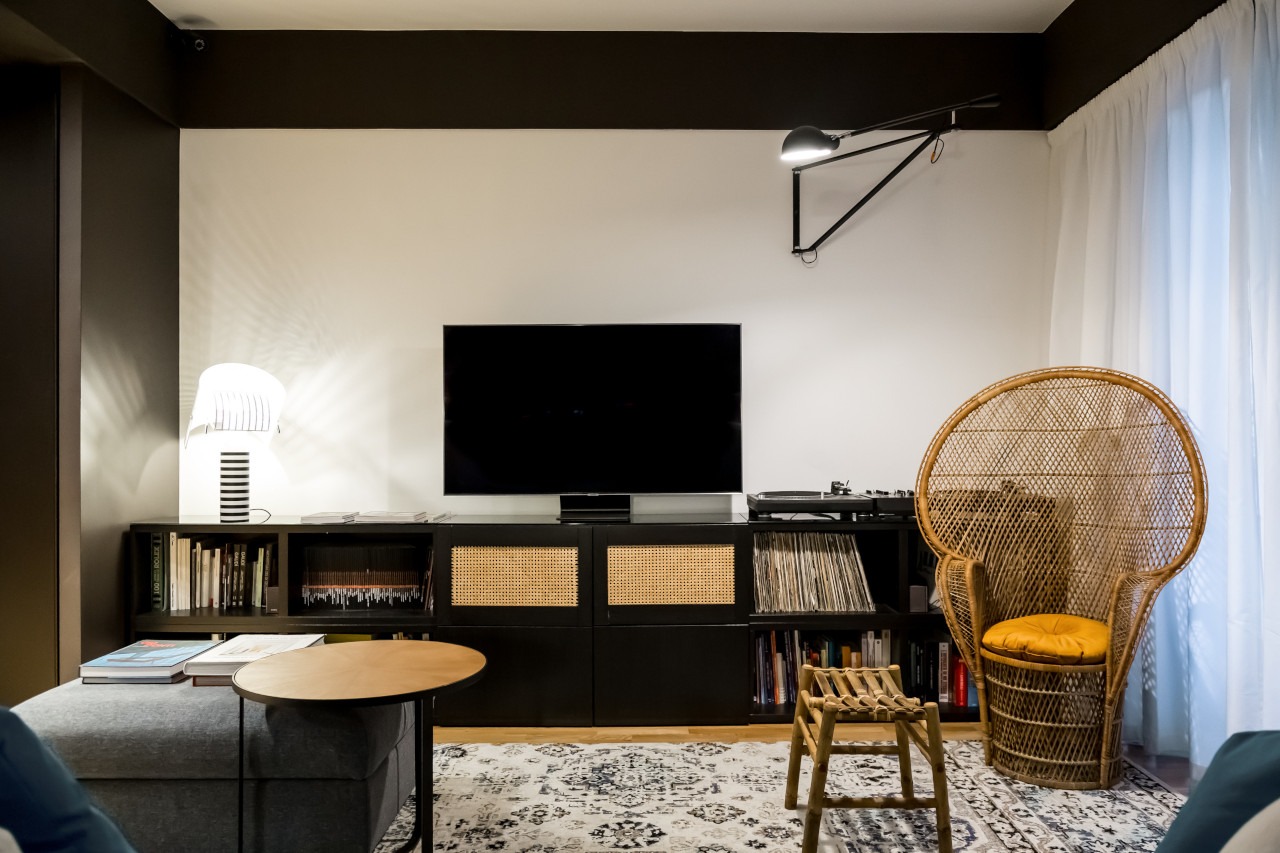
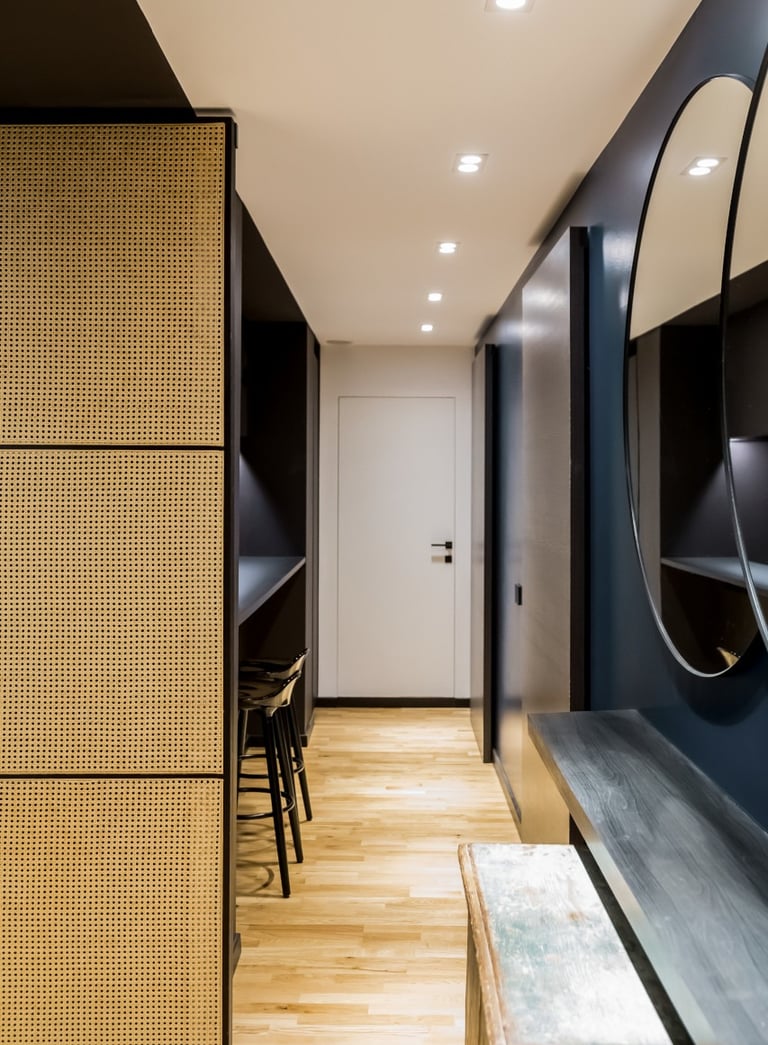
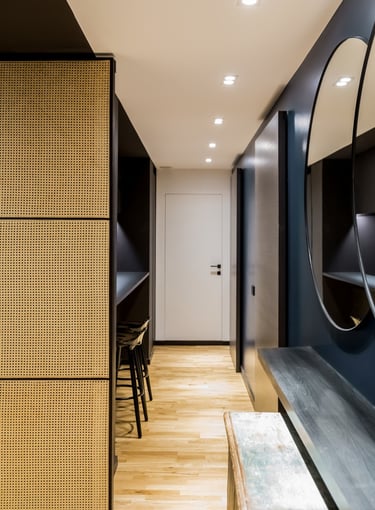
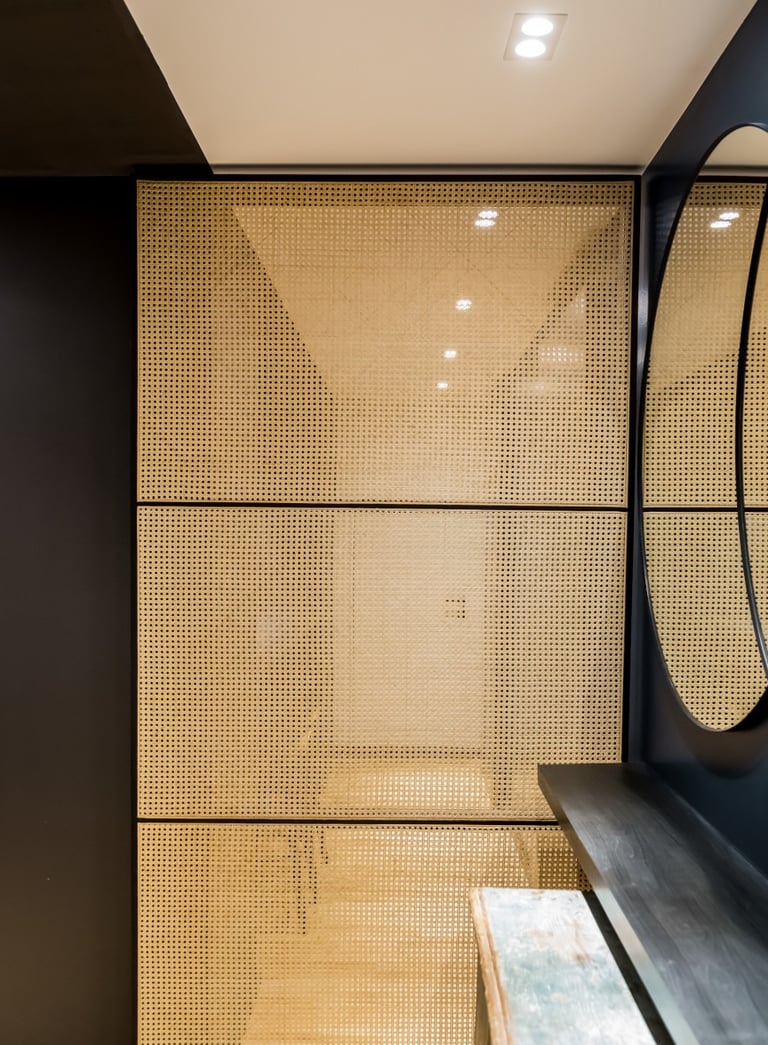
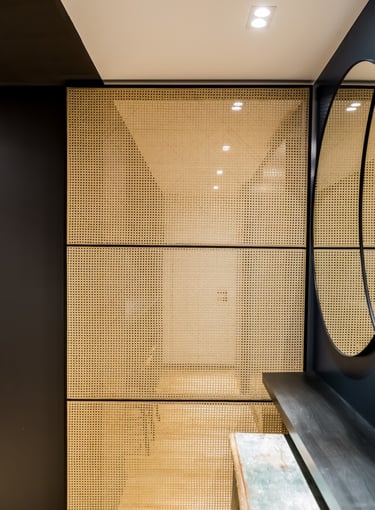
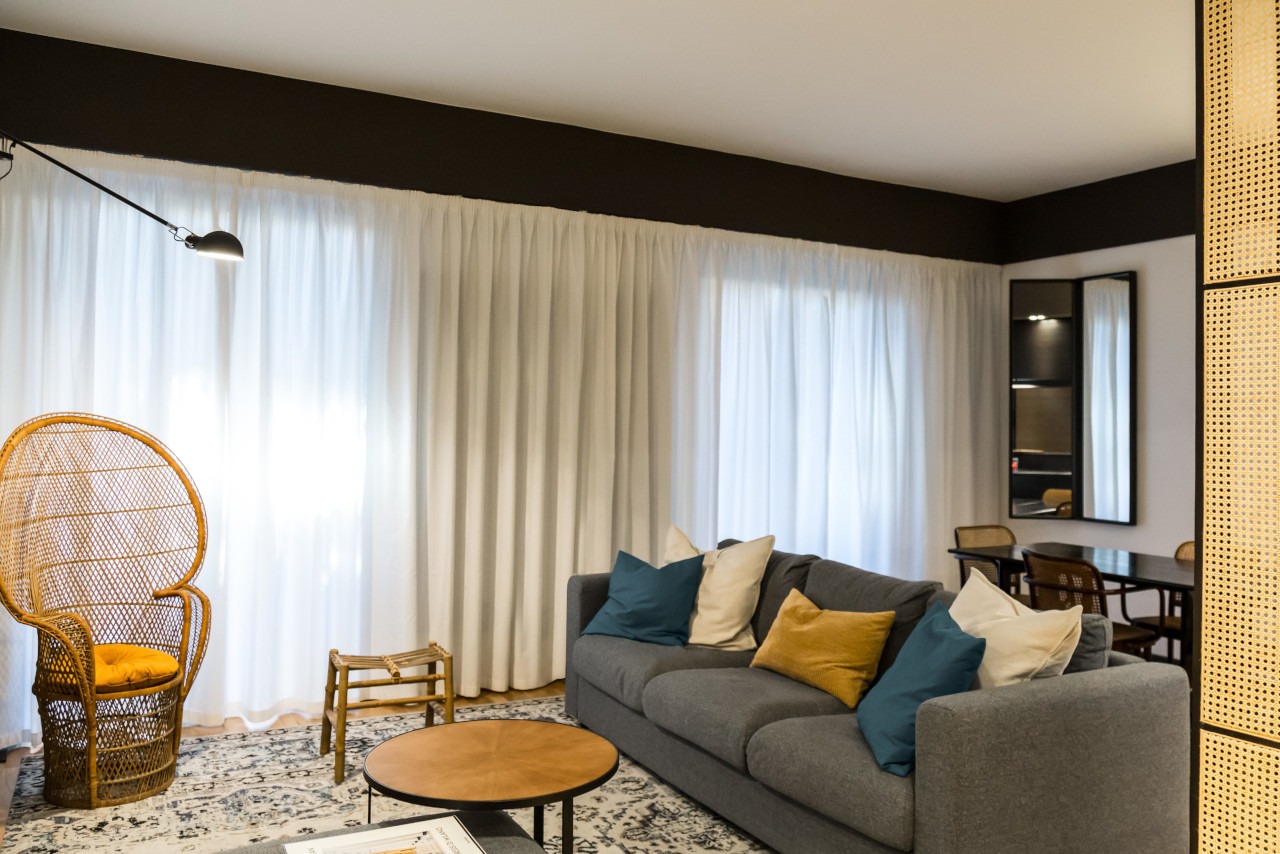
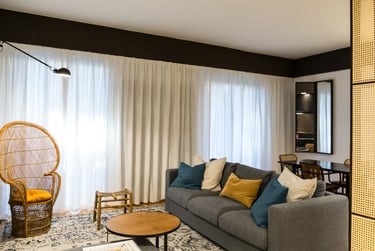
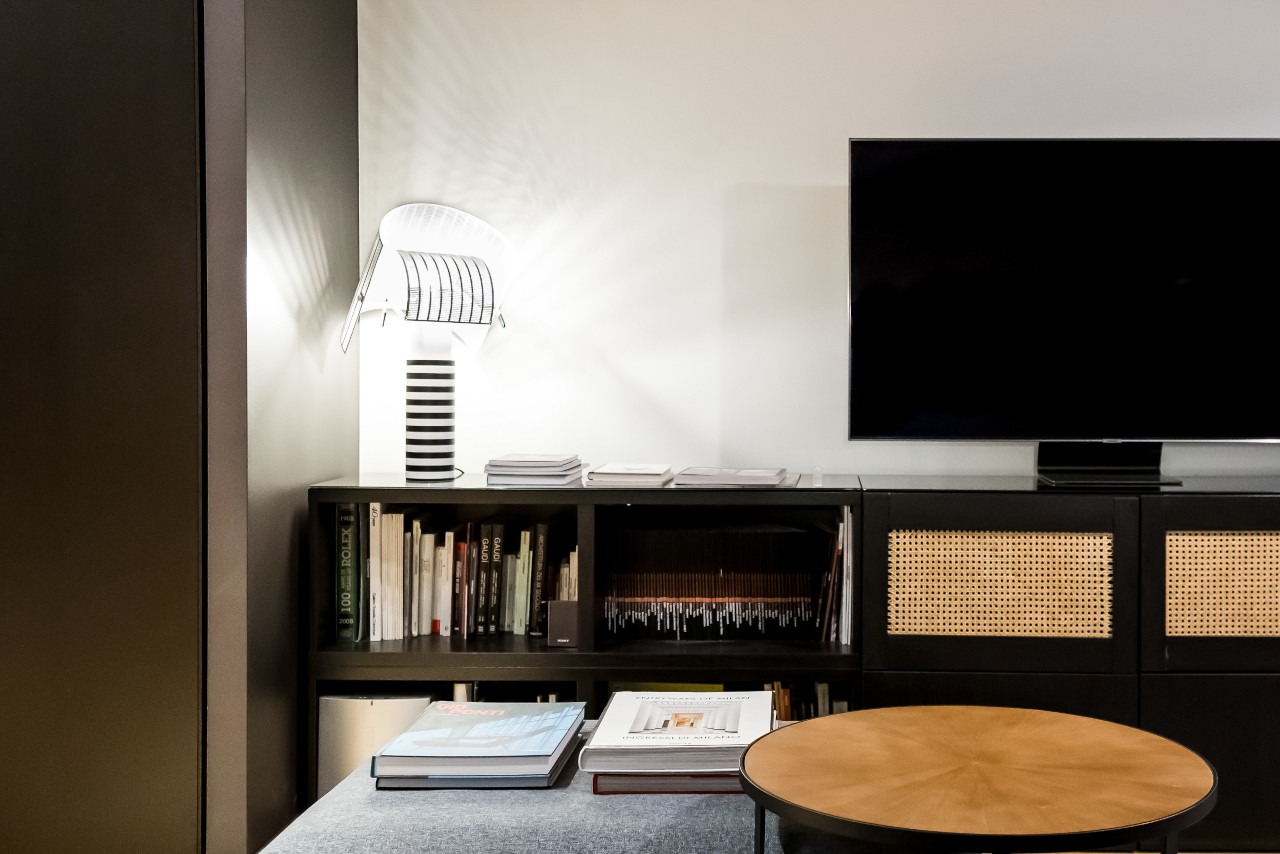
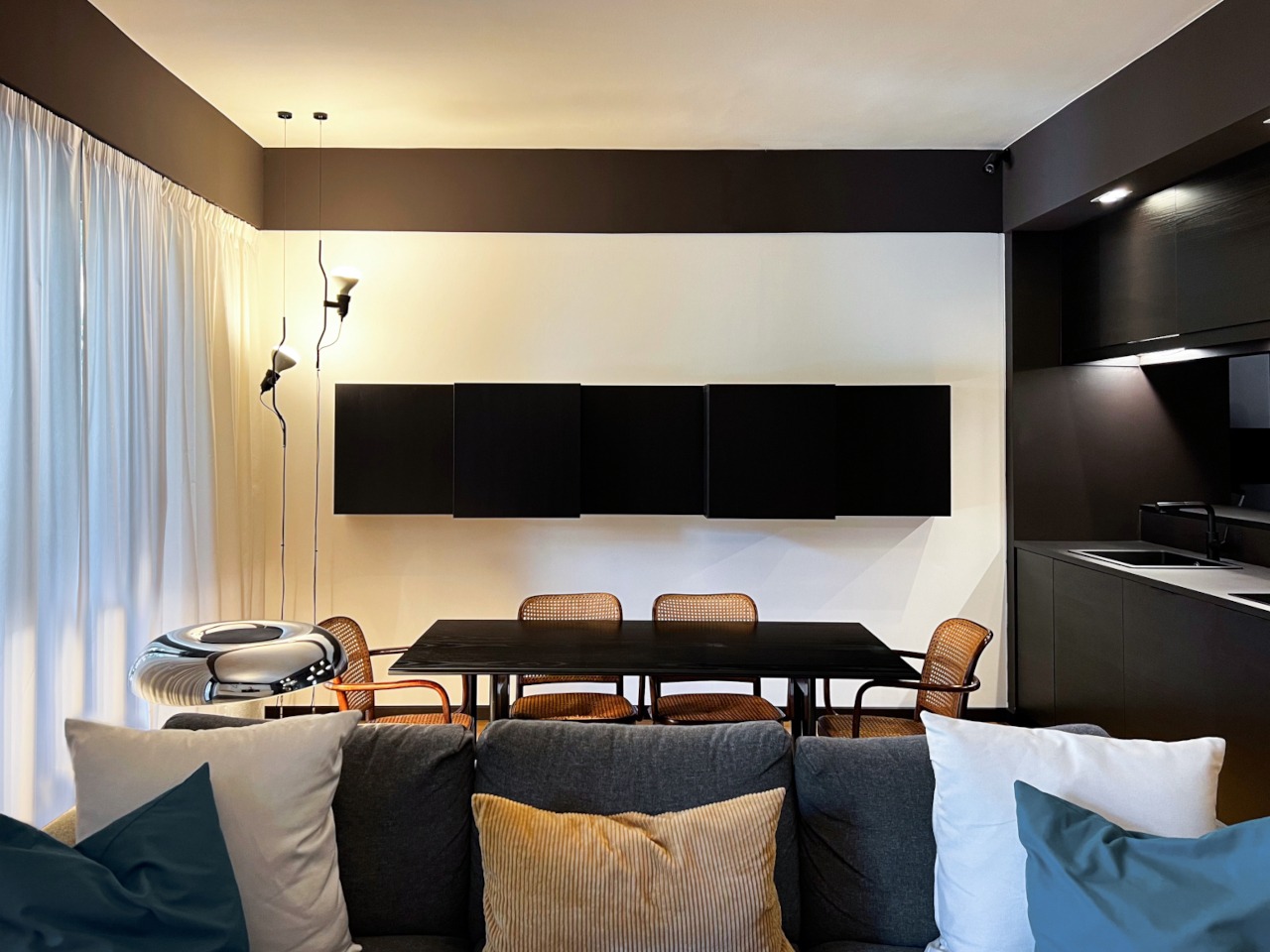
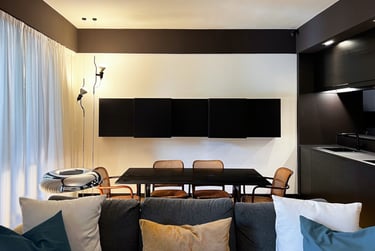
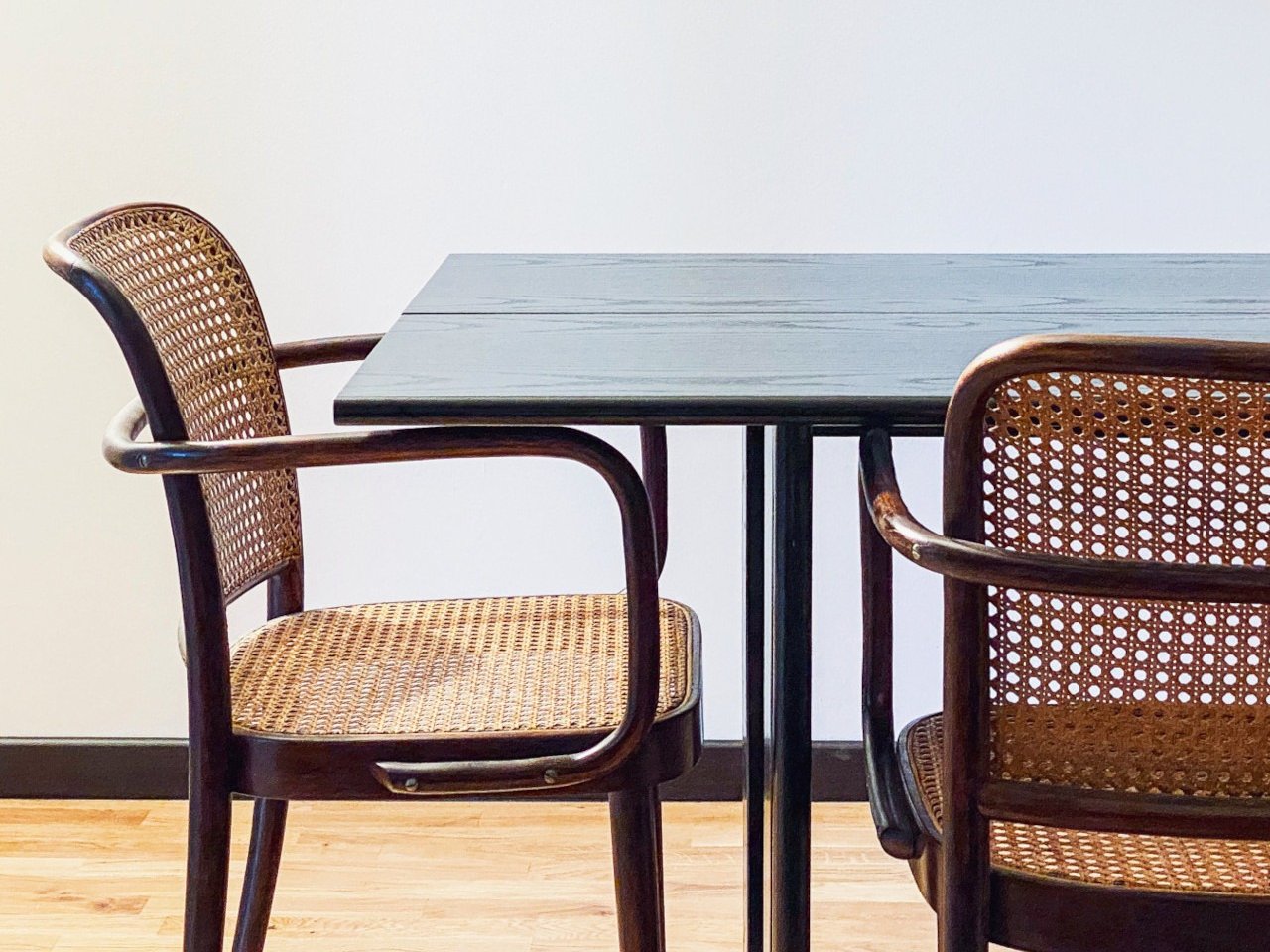
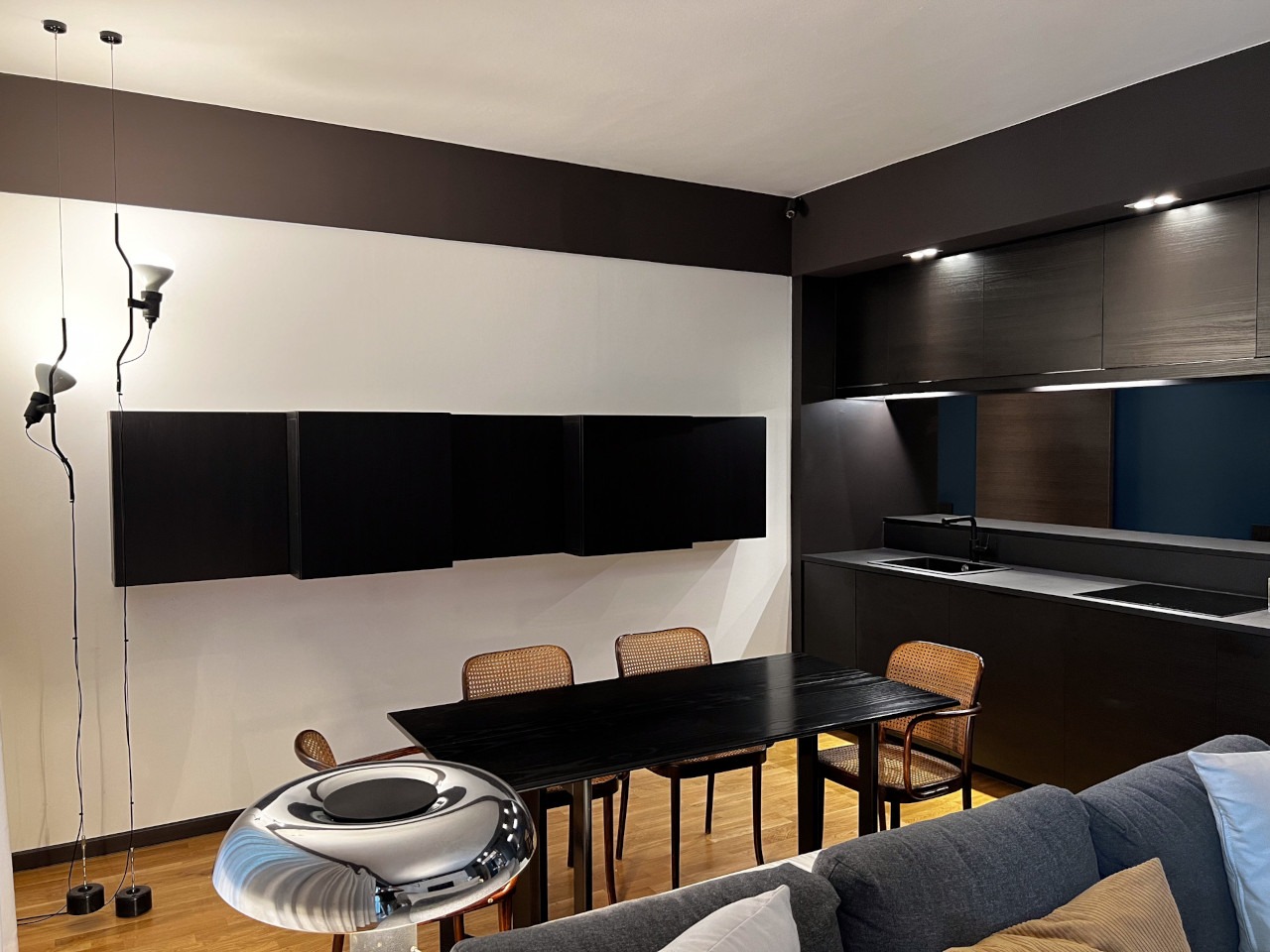
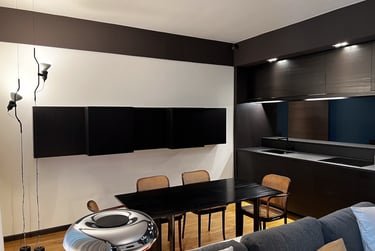
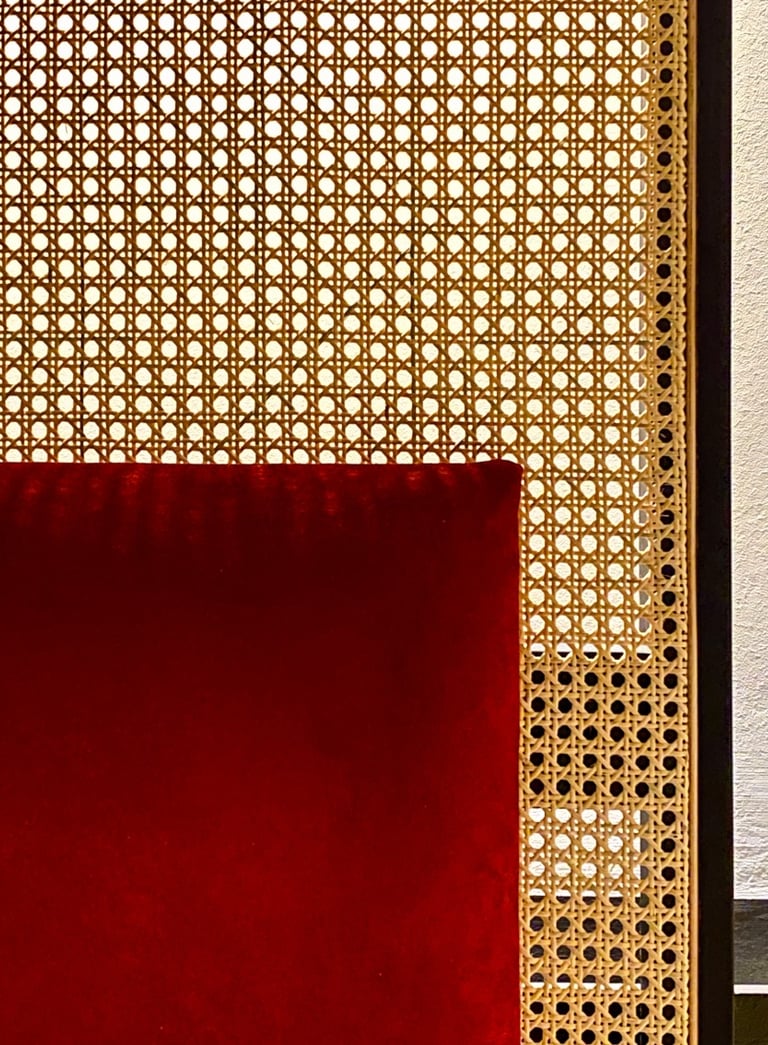
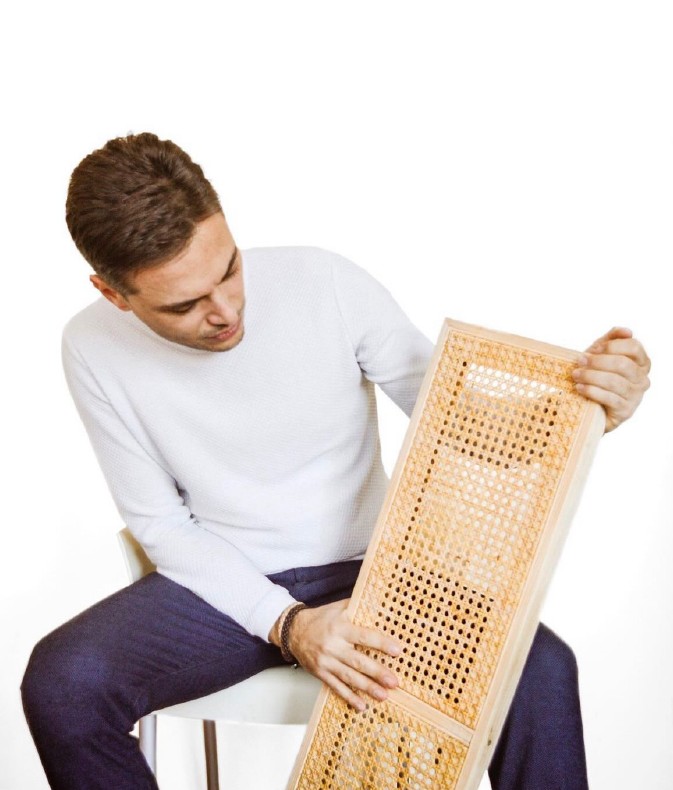
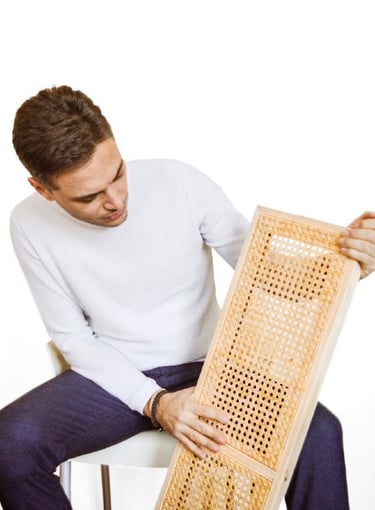
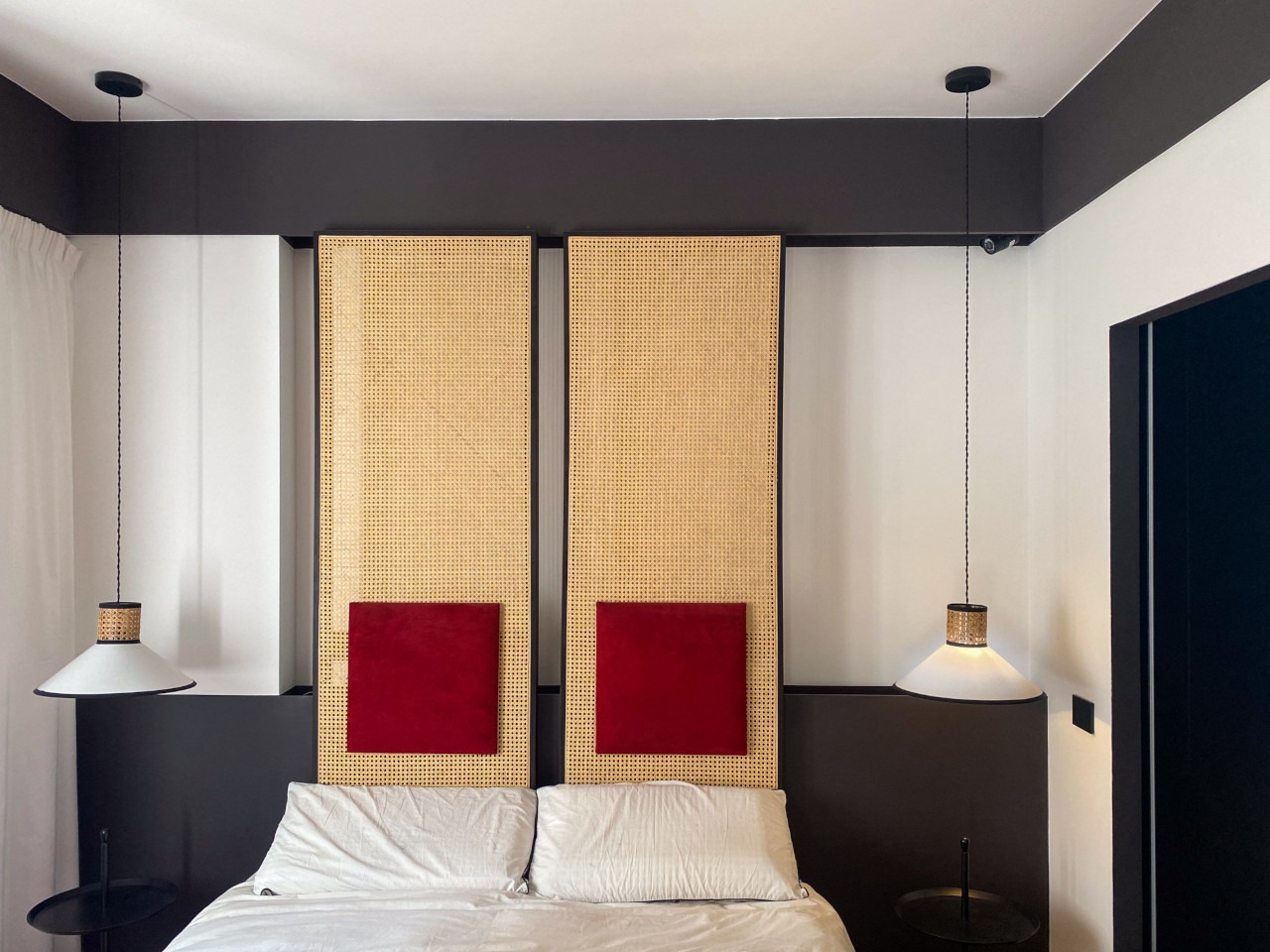
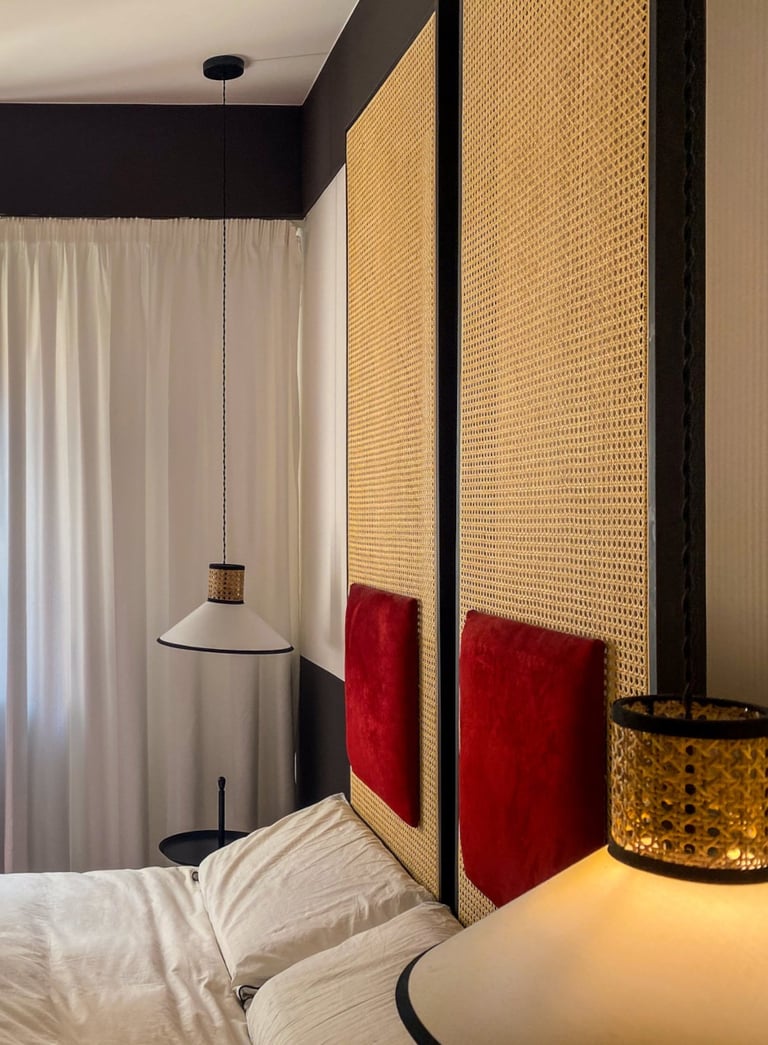
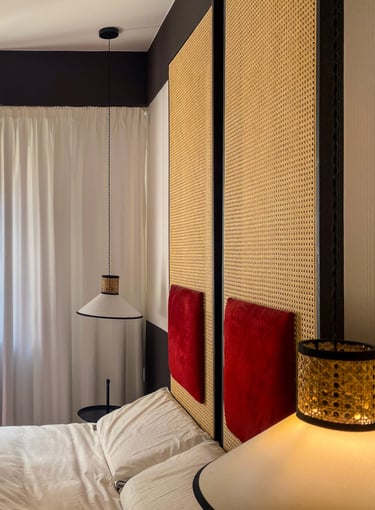
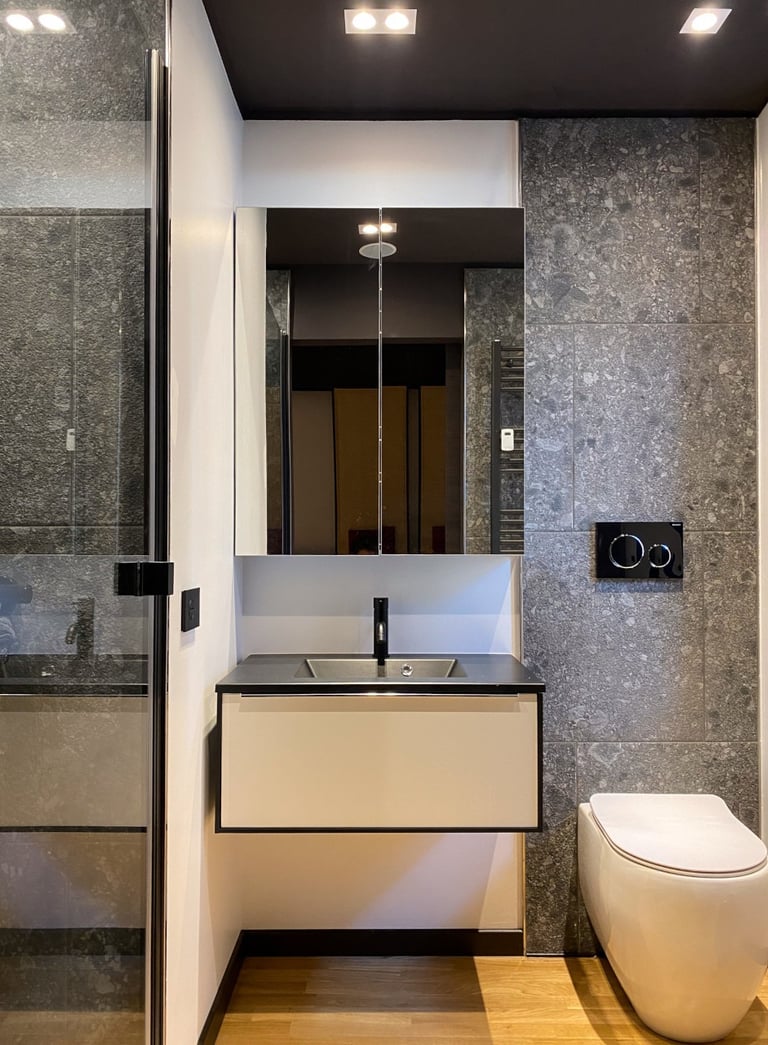
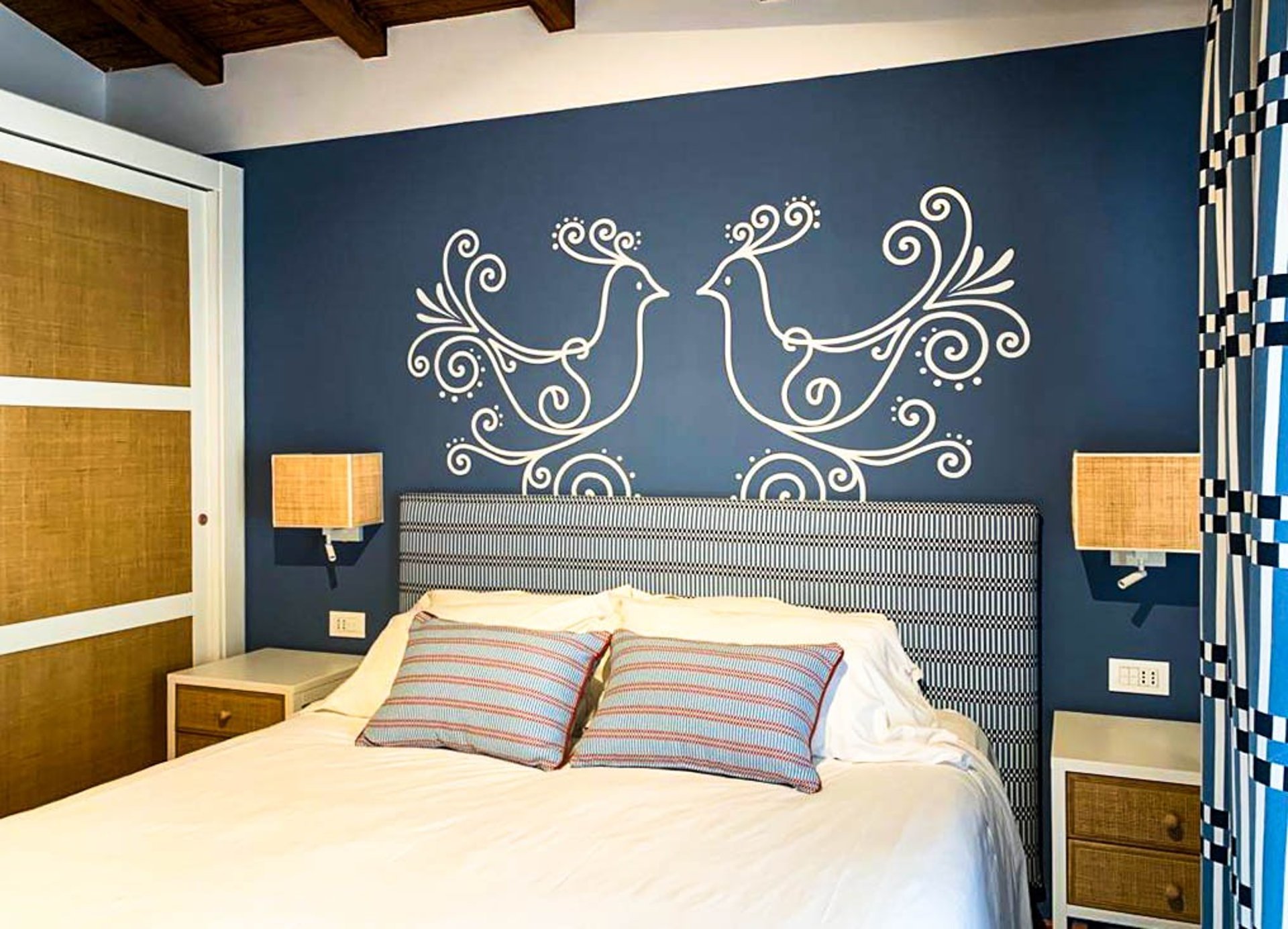
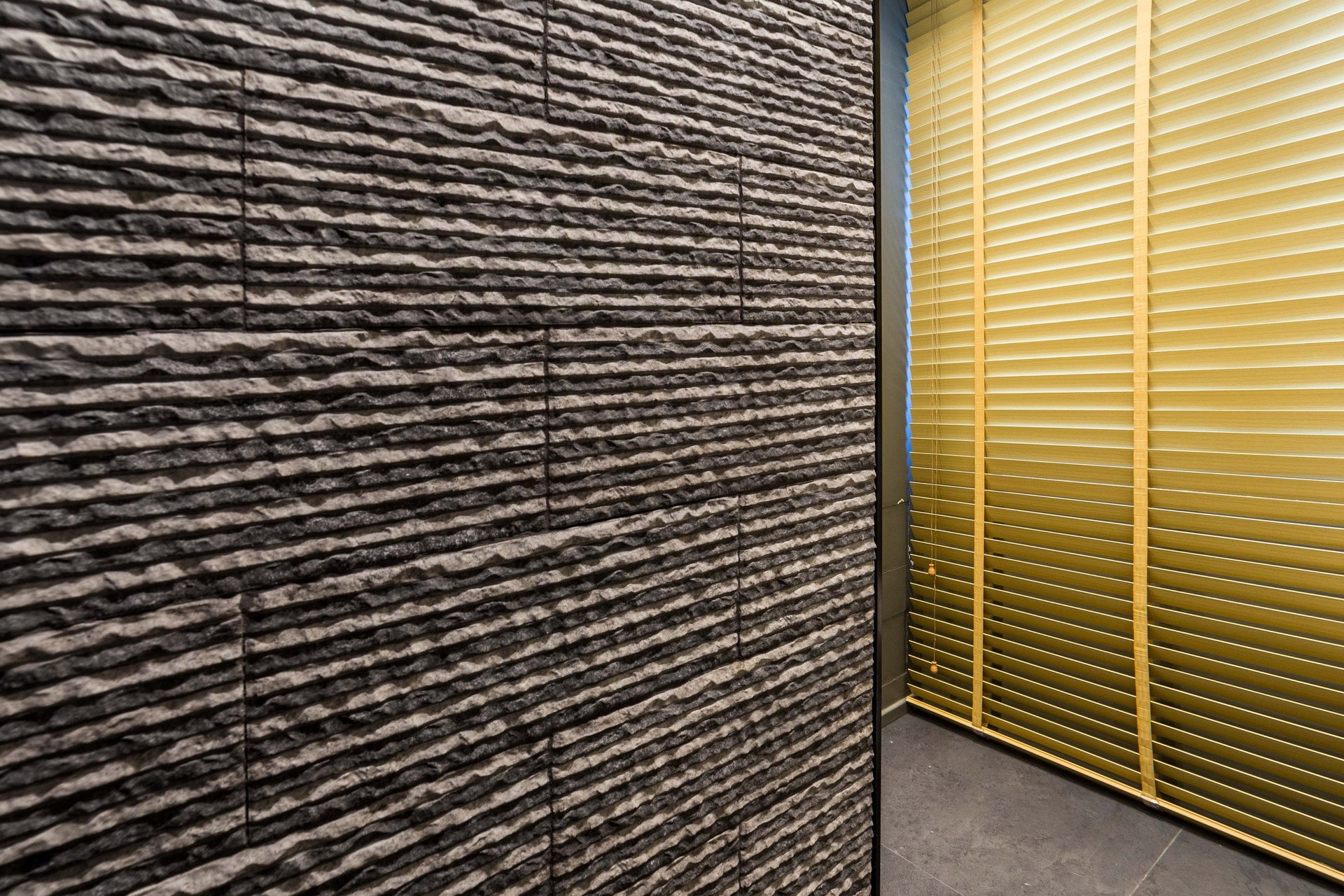
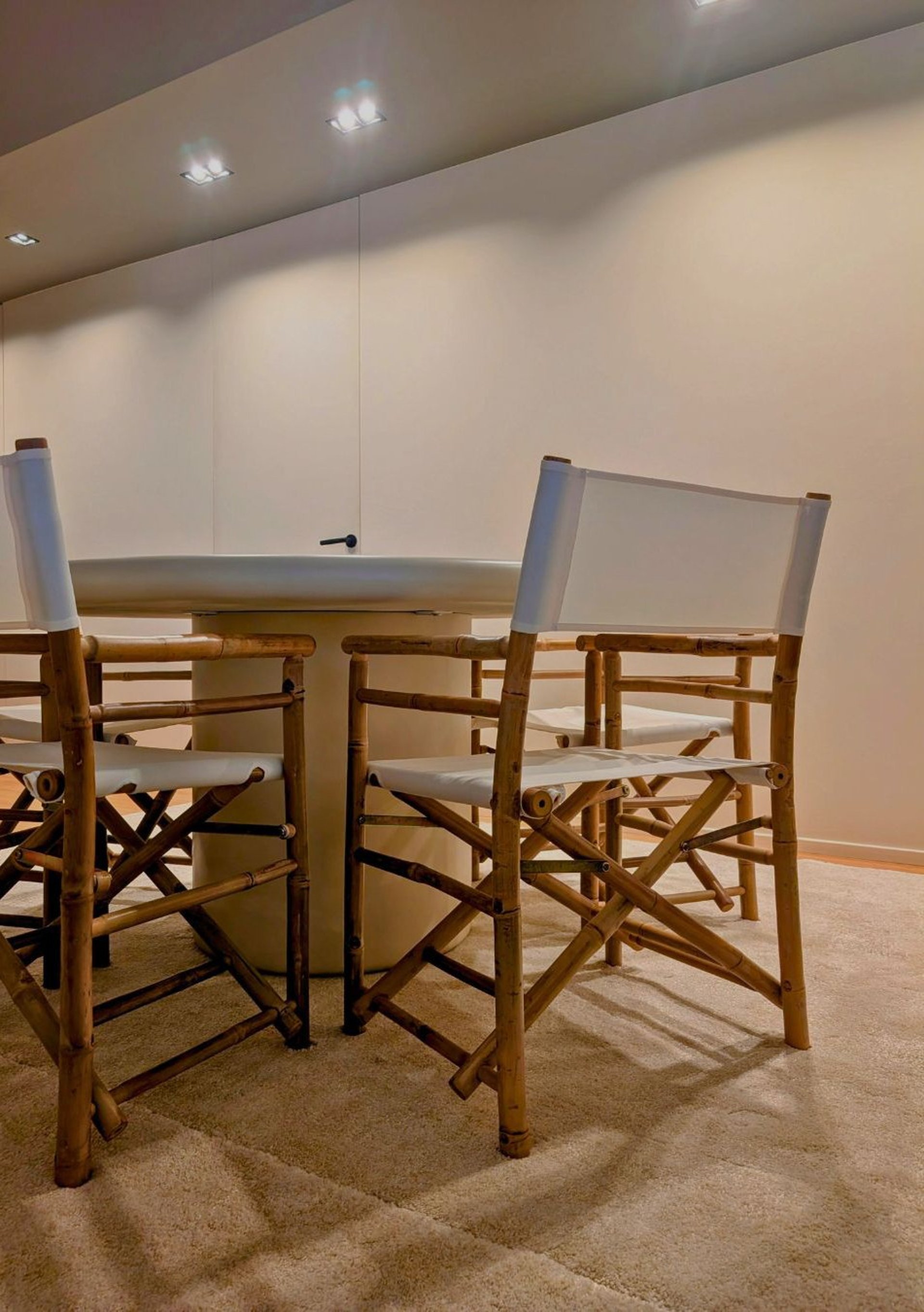
L’idea di realizzare una casa ispirata alle iconiche sedie Thonet nasce da un ricordo personale: il padre del progettista regalò al figlio alcune vecchie sedie in paglia di Vienna. Da qui il concetto di una “scatola abitativa” che richiama tanto i telai in legno scuro delle sedie quanto l’intreccio della paglia di Vienna. Ad esempio, lo zoccolino in legno scuro e le velette perimetrali evocano i profili del telaio ligneo, mentre alcuni arredi su misura reinterpretano il tema della paglia intrecciata. Sono stati infatti progettati pannelli in rattan con telai in legno, utilizzati sia come separé scorrevole all’ingresso, sia come testata del letto matrimoniale. Quest’ultima, simbolicamente divisa in due parti, rappresenta la coppia distesa sul letto e proiettata verso l’alto. Nel bagno, per richiamare la tradizione architettonica milanese, è stata utilizzata la pietra Ceppo di Gré, estratta dalle sponde del Lago d’Iseo e da sempre impiegata negli edifici lombardi. La pietra, posata a fasce verticali alternate con fasce in smalto, crea un gioco di contrasti tra la superficie scura e materica del ceppo bucciardato e la luminosità liscia delle pareti smaltate, dilatando visivamente lo spazio. L’intero progetto reinterpreta in chiave contemporanea elementi tipici del design milanese, con l’obiettivo di generare un’atmosfera di casa autentica e senza tempo. In quest’ottica è stato disegnato su misura anche un contenitore di servizio, denominato “Less and More”, caratterizzato da volumi che si alternano tra pieni e rientranze. Un dialogo tra opposti che, uniti, costruiscono un unico sistema coerente. L’idea fondante si ispira alla scacchiera, dove il contrasto tra bianco e nero non è contrapposizione, ma parte integrante di un insieme armonico.
The idea of creating a home inspired by the iconic Thonet chairs stems from a personal memory: the designer’s father once gifted his son a few old Vienna-cane chairs. From that moment grew the concept of a “habitable box” that echoes both the dark wooden frames of the chairs and the woven pattern of Vienna cane. The dark wood skirting and the perimeter soffits, for instance, recall the profiles of the timber frame, while a number of bespoke pieces reinterpret the theme of interlaced cane. Rattan panels framed in wood were designed and used both as a sliding entrance screen and as the headboard of the master bed. Symbolically divided into two parts, the headboard represents the couple lying on the bed and projected upwards. In the bathroom, to evoke Milanese architectural tradition, Ceppo di Gré stone was used quarried along the shores of Lake Iseo and long employed in Lombardy’s buildings. Laid in vertical bands alternating with enamelled sections, the stone creates a play of contrasts between the dark, tactile surface of bush-hammered ceppo and the smooth brightness of the glazed walls, visually expanding the space. The entire project reinterprets typical elements of Milanese design in a contemporary key, aiming to generate an authentic, timeless domestic atmosphere. In this spirit, a bespoke service/storage unit was also designed, titled “Less and More,” defined by volumes that alternate between solids and recesses. A dialogue of opposites which, brought together, forms a single coherent system. The founding idea draws inspiration from the chessboard, where the contrast between black and white is not opposition, but an integral part of a harmonious whole.
PROJECTS
↓


PARK HOUSE